
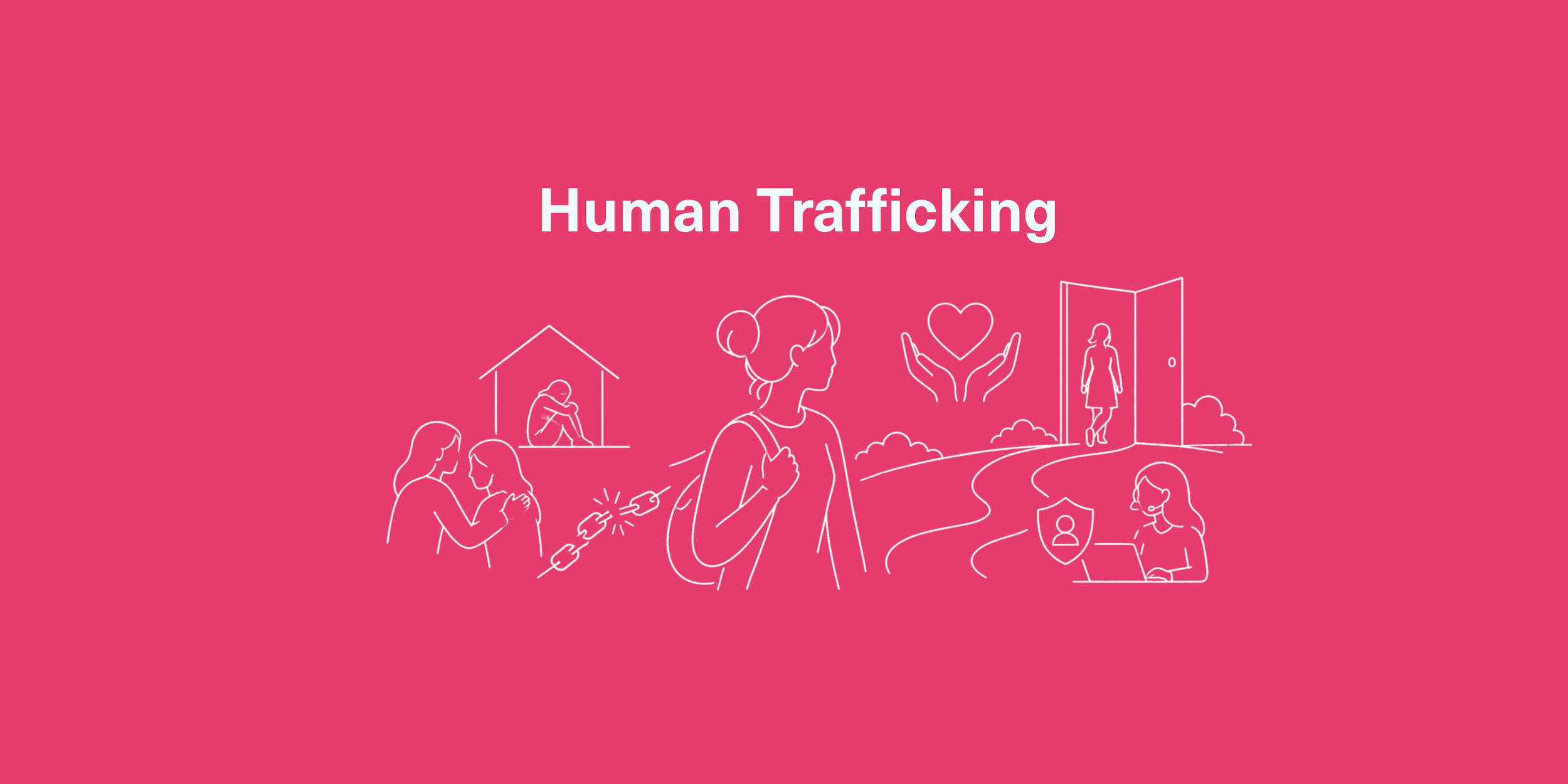
What is human trafficking ?
Human trafficking is a serious crime and a violation of human rights. It takes place when one person exercises control over another through force, threats, deception, or abuse of power for the purpose of exploitation. Sexual exploitation, labour exploitation, domestic servitude, forced begging, criminal exploitation, and forced marriage are among the most common forms of trafficking.
Trafficking can also involve violence, threats, manipulation, or the confiscation of documents and freedom in order to maintain control over the people affected by it. It can happen to anyone, and it is never your fault.
How Trafficking Often Happens?
Trafficking usually involves many phases:
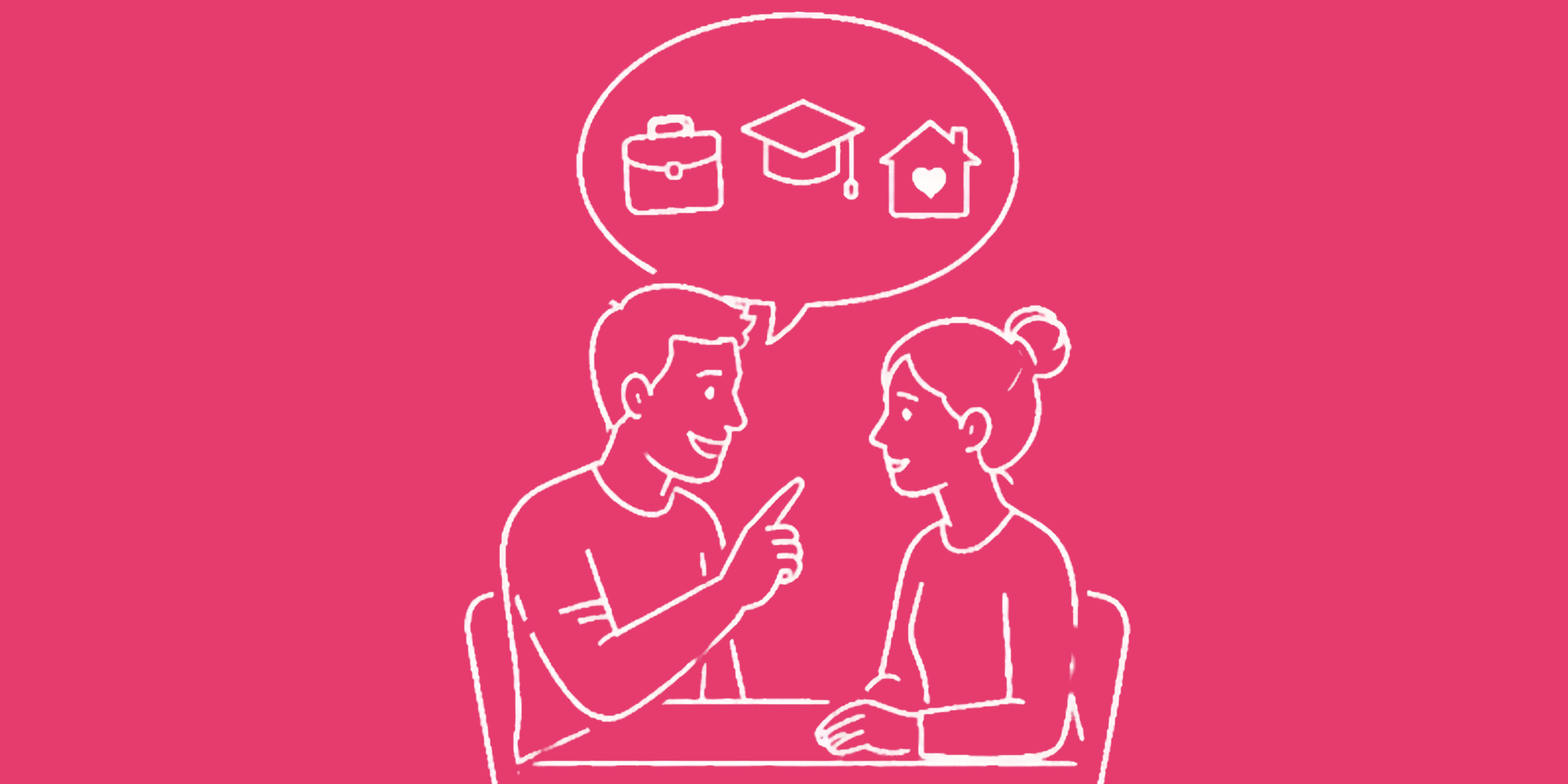
Recruitment
Promises of work, education, or a better life.
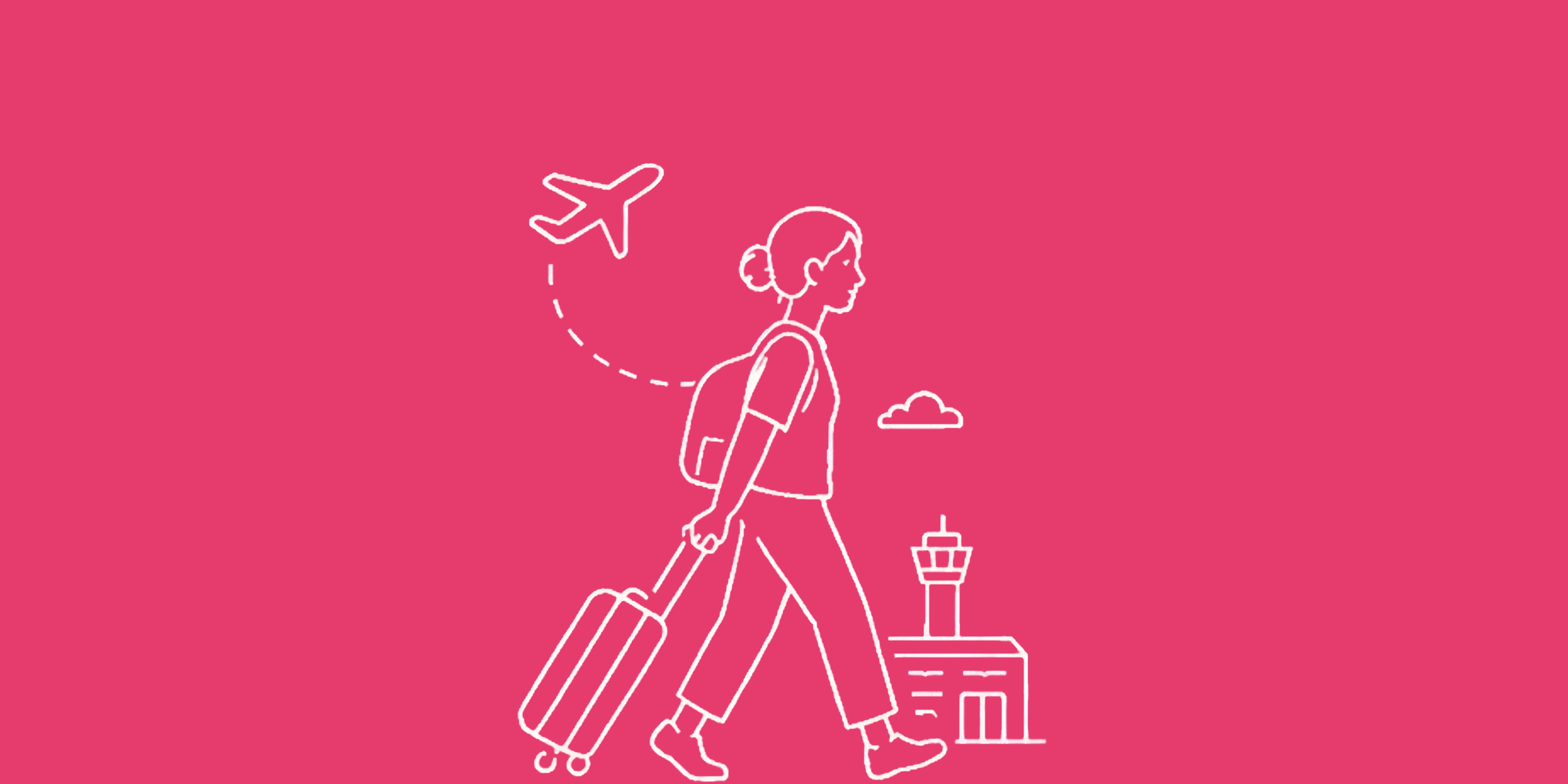
Transportation
Being moved to another place or country (though travel is not always involved).
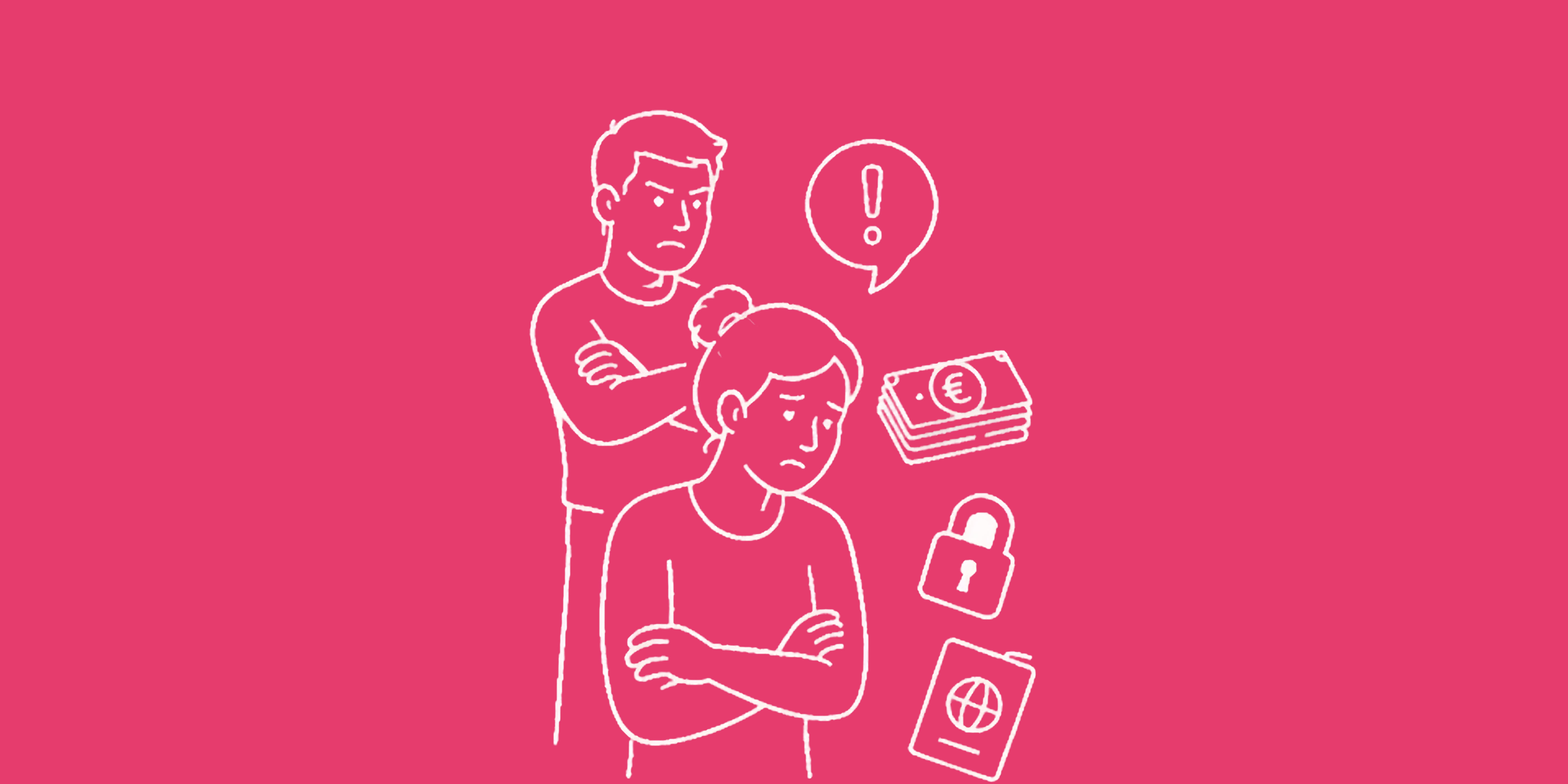
Control
Loss of freedom, threats, debt, or confiscation of documents.
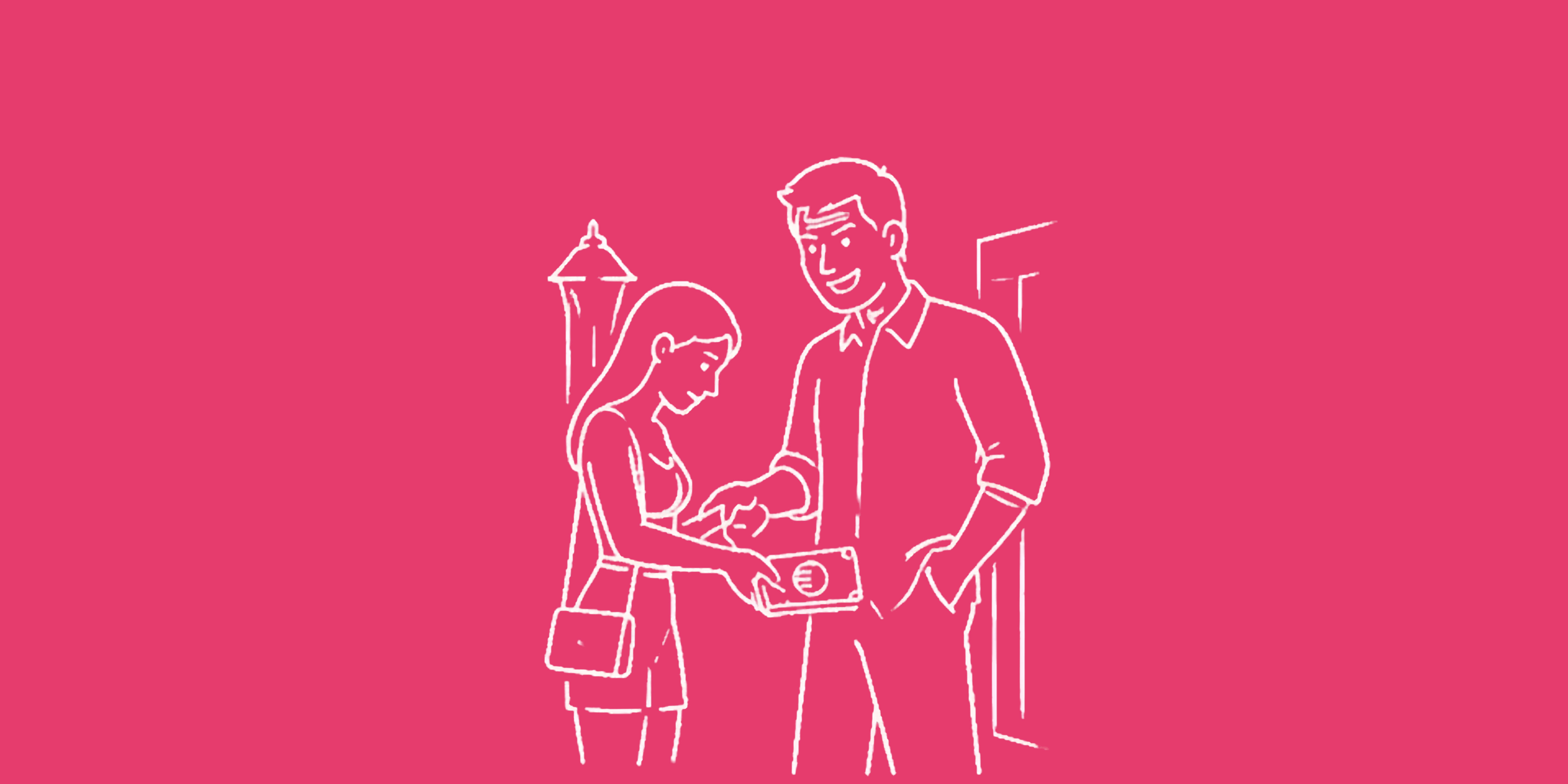
Exploitation
the trafficker benefits from your labour, body, or activities.
Signs You May Be a Victim
You may be experiencing trafficking if:
You cannot leave your work or home freely.
Someone controls your money, documents, or movements.
You are threatened, monitored, or forced to work.
You feel scared, isolated, or unable to ask for help.
Specialised Support for Victims in Belgium
In Belgium, victims of human trafficking can receive specialised protection and support through one of three recognised centres: Pag-Asa, Payoke or Surya. Organisations like Oasis often meet victims of human trafficking and then we accompany them to Pagasa so they can reflect on their options.

What Pag-Asa Offers:
Pag-Asa provides safe, confidential, and free support for anyone who may be a victim of trafficking, including people without legal residency. Their services include:
1. Safe and Secure Accommodation
If you cannot stay where you are, Pag-Asa can help you access protected housing where your safety comes first.
2. Medical and Psychological Support
Pag-Asa can help you access doctors, hospitals, mental health care, and trauma-informed counselling.
3. Legal Assistance
Pag-Asa works with specialised lawyers who can :
Explain your rights.
Support you during police interviews.
Assist you through the criminal process against traffickers.
Help you apply for a special residence permit linked to trafficking victim status.
4. Social Support and Daily Needs
Pag-Asa can also can guide you with:
Food, clothing, and basic necessities.
Schooling for children.
Access to social services.
Orientation to daily life in Belgium.
5. Help with Recovery and Reintegration
Pag-Asa supports you in rebuilding your life, including work, training, language learning, and long-term stability.
If the authorities believe you may be a victim of trafficking, you may be referred to Pag-Asa for protection. You can also contact them directly, without needing proof or documentation.
The process typically includes:

Initial Safety Assessment
They listen to your story confidentially and help determine your immediate needs.
Protection and Recovery Period
You may receive a temporary residence permit allowing you time to recover and think about next steps.
Support During Legal Proceedings
If you choose to cooperate with authorities, Pag-Asa will assist you throughout the process.
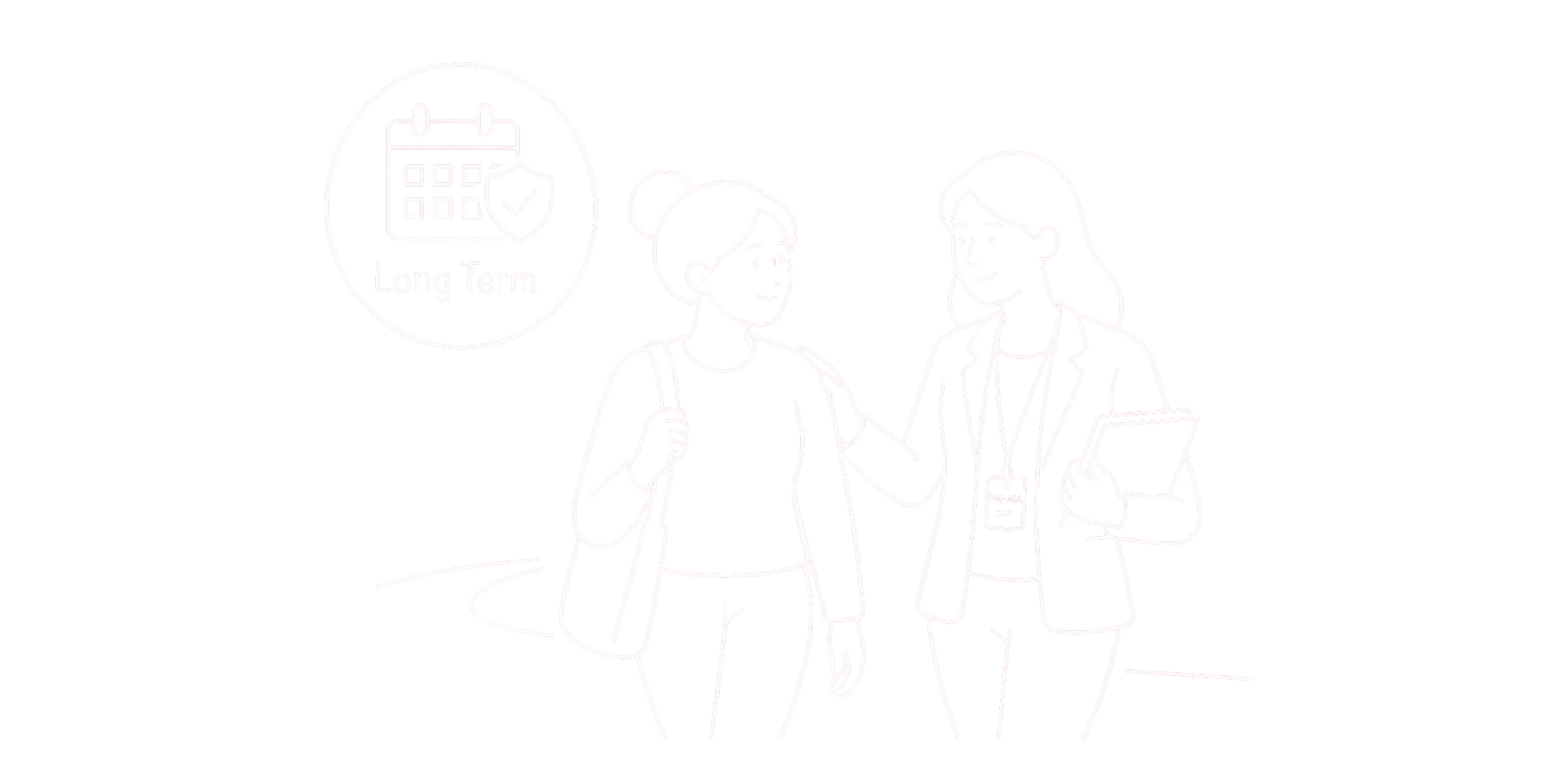
Long-Term Support
If your situation is confirmed, you may qualify for longer-term residence and support.
If you do not want to work with the authorities and go through the Pagasa system another option is the apply for asylum. Oasis can support you in this process.
If you are in immediate danger
Call emergency services on 112.
Try to move to a safe public place if possible.
If you are not in immediate danger but feel unsafe
You can contact Oasis, Pag-Asa or another trusted organisation.
You do not need documents or evidence to reach out.
If you decide to leave a trafficking situation
Move only when you feel safe.
Take essentials if possible (ID, phone, medication), but do not risk your safety for belongings.
You are not alone
Human trafficking is a crime, and Belgium has a strong system to protect victims. Pag-Asa and other organisations are there to help you find safety, dignity, and a new beginning.